

Pracownie naukowe
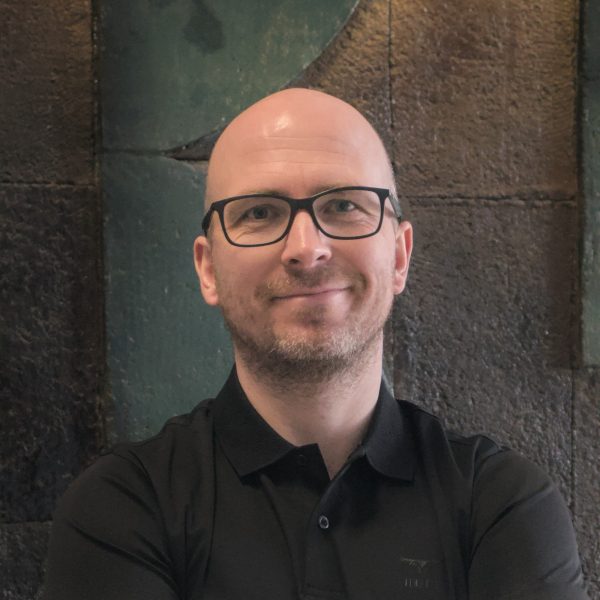
Dr hab. Krzysztof Zawierucha, prof. IBB PAN
Zakład Biologii AntarktykiZakres badań
We conduct interdisciplinary studies on polar ecosystems, with primary focus on the functioning of the Antarctic environment and environmental changes occurring in the region of the Arctowski Polish Antarctic Station. The department is responsible for implementing and coordinating the station’s scientific programme, integrating biological studies with geochemistry, physical oceanography, glaciology, and meteorology. Emphasis is placed on environmental biology, including ecology, conservation biology, parasitology, invertebrate biology, taxonomy, and microbiology. The department also conducts long-term environmental monitoring and provides expert support for national polar programmes and governmental institutions involved in polar policy.
Badania
Najważniejsze osiągnięcia badawcze
- We described cryoconite holes’ microbial communities, composition of top-consumers (Tardigrada and Rotifera), and role of organic matter in accumulation of pollutants on glaciers.
- We demonstrated that Antarctic lichens host structured, species-specific bacterial microbiomes whose composition, diversity, and metabolic activity are shaped primarily by lichen host identity and thallus age, highlighting their role in lichen adaptation and resilience under extreme polar conditions.
- We estimated overwintering marine habitat use in three Pygoscelis penguin species from colonies distributed across the Antarctic Peninsula and quantified species-specific nest-site preferences using high-resolution unmanned aerial vehicle (UAV)-derived terrain metrics. We also supported vegetation mapping in the Maritime Antarctic using Beyond Visual Line of Sight (BVLOS) UAV missions.
- We investigated the diversity of polar parasites, including tick-associated microorganisms and vector-borne pathogens in Antarctic bird populations, as well as parasites associated with seals. Our studies addressed host–vector–pathogen interactions and the effects of environmental change on parasite and pathogen distribution in polar ecosystems.
- We work on other native and alien arthropods. We documented 17 previously undescribed localities of Branchinecta gaini (Antarctic fairy shrimp) - the largest freshwater invertebrate in Antarctica - on King George Island, together with quantitative estimates of cyst bank densities in bottom sediments. Analyses of gut content composition and environmental characteristics of the studied sites indicate high habitat opportunism and trophic flexibility of this species. We also investigated the occurrence of the invasive fly Trichocera maculipennis in the Maritime Antarctic, using molecular methods for its genetic identification and confirmation in Antarctic environments.
Opis badań
- Ecology of polar microorganisms
Our research investigates the ecology of polar microorganisms, with particular emphasis on the decomposition of avian guano and marine macroalgae in the Arctic and Antarctic, the effects of glacier retreat and climate change on postglacial soil microbiomes, changes in microbial communities on the surface of glaciers in both hemispheres, microbiota associated with Antarctic plants and lichens, and the biology, stress tolerance, genetics, and biotechnological potential of psychrophilic microorganisms.
- Biodiversity and ecology of glaciers and adjacent ecosystems
In our studies we focus on the biological diversity of glacier and snow surfaces, moraines and forefields. We are interested in unique species which inhabit exclusively glacial ecosystems, their role in ecosystems, and their fate – surviving in refugia in postglacial landscape. Our field targets are ecosystems such as cryoconite holes, new proglacial ponds in recently deglaciated landscape and surface of snow and ice. Particular attention is given to invertebrates such Tardigrada and Rotifera, but we are ainterested also in biogeography and ecology of other Antarctic limnoterrestrial invertebrates such as nematodes, mites, and springtails, which are important colonisers of postglacial landscapes.
- Remote sensing of polar regions
We developed novel approaches for digital data acquisition using unmanned aerial vehicles (UAVs) operating across multiple spectral ranges, complemented by terrestrial networks of automated camera traps and telemetry transmitters. Our research focuses on the ecology of Antarctic fauna and their responses to environmental change, including habitat use and distribution of Pygoscelis penguins, breeding phenology and reproductive success of colonial seabirds, Antarctic krill availability to predators in the CCAMLR 48.1 subarea, and the effects of climate change on avian reproductive output. We also investigate glaciological structures, glacier dynamics, and deglaciation processes in Antarctic and Arctic regions using remote sensing, geomorphological mapping, and structural glaciology approaches to improve understanding of ice-sheet behaviour and environmental change in polar regions.
- Environmental protection and conservation policy in Antarctica
In addition to fundamental research, our studies contribute to the management and conservation of Antarctic marine living resources within the framework of the Commission for the Conservation of Antarctic Marine Living Resources (CCAMLR), supporting evidence-based environmental policy under conditions of rapid climate change.
- Ecology of parasites and vector-transmitted agents
Our research focuses on parasites and arthropod vectors in polar and subpolar ecosystems, particularly ticks, vector-borne pathogens, and parasites associated with Antarctic and sub-Antarctic seals. The studies investigate pathogen circulation, host–parasite interactions, and the effects of environmental change on disease ecology in polar regions.
- Alien and invasive species in Antarctica
Our research investigates the occurrence, establishment, and spread of non-native species in Antarctic terrestrial ecosystems, with particular emphasis on invertebrates and plants associated with human activity and research station environments. The studies focus on introduction pathways, molecular species identification, ecological impacts on native biota, eradication strategies and biosecurity measures.
- Ecology of Antarctic freshwater invertebrates
Our research focuses on the ecology and distribution of Antarctic freshwater invertebrates, with particular emphasis on Branchinecta gaini as a model organism inhabiting isolated postglacial water bodies. We investigate patterns of colonization, the role of cyst banks, and relationships between feeding strategies and environmental conditions.
- Meteorology and climatology of King George Island
In our research, we focus on the variability of meteorological conditions in the vicinity of Arctowski Station, and their influence on other components of the local ecosystem and on the people working there. Furthermore, we analyse these local meteorological conditions in relation to the meteorological and climatological conditions in the Antarctic Peninsula region, especially in the context of ongoing climate change.
Metodologia
A combination of culture-dependent and molecular methods is used to investigate the diversity, abundance, and functional activity of polar microorganisms. Microbial abundance is assessed by epifluorescence microscopy using SYBR Green I staining and direct total cell counts, while metabolic potential is evaluated through respiration activity assays based on phenotypic microarrays (BiologTM) as well as selective and non-selective cultivation of environmental isolates. For culture-independent analyses, DNA is isolated from diverse environmental matrices and subjected to 16S rRNA gene-targeted high-throughput amplicon sequencing (Illumina MiSeq) to characterise microbial community structure.
Methodologies applied in the department also include environmental sampling, parasitological examination of wildlife samples, and the identification of arthropod vectors and seal-associated parasites. Molecular detection and characterisation of microorganisms and pathogens are conducted using PCR-based and sequencing approaches. These methods are integrated with molecular ecology techniques, biodiversity assessments, and long-term monitoring to investigate pathogen circulation and ecosystem responses to climate change and anthropogenic pressure in polar regions.
We combine fieldwork in Antarctic environments with laboratory-based analyses, including: inventory and mapping of freshwater habitats and species occurrences; quantitative analysis of cyst banks in sediments, microscopic and molecular analysis of diet (16S/18S rRNA), establishing and maintaining laboratory cultures of Branchinecta gaini to enable future ex situ experimental studies.
Remote sensing analyses, geomorphological mapping, and structural glaciology approaches are also employed to investigate glacier dynamics, deglaciation processes, and landscape change in Antarctic and Arctic environments.
Meteorological data (air temperature and humidity, air pressure, solar radiation, wind speed and direction, sum of precipitation) is collected from four automatic weather stations (AWS) located in the central and western parts of King George Island. The main AWS is located close to Arctowski Station and has been operational since the beginning of 2013; previously, manual observations were conducted there.
Wybrane publikacje
- Zawierucha, K., Szudarek‐Trepto, N., Laniecki, R., Valle, B., Mikołajczyk, M., Trzebny, A., ... & Calhim, S. (2026). Morphological and molecular inventory of invertebrates reveals a unique faunal diversity in glacier mice. Journal of Zoology.
- Wejnerowski, Ł., Dulić, T., Akter, S., Rybak, M., Piasecka, A., Szymkowiak, J., ... & Meriluoto, J. (2026). Dominance and toxicity without lethality: Exploring biomass, cyanometabolites, and Daphnia responses across Cyanobacterial strains. Journal of Phycology.
- Sułowicz, S., Zawierucha, K., Markowicz, A., Kozioł, K., Zientak, W., Nawrot, A., ... & Larose, C. (2026). Vertebrate impact on bacterial community structure of coastal Arctic spring snowpacks. Biogeosciences, 23(9), 3023-3038.
- Łokas, E., Pasieka, A., Clason, C., Owens, P. N., Niedzielski, P., Proch, A., ... & Brudecki, K. (2026). Worldwide accumulation of atmospheric mercury in glacial cryoconite. Journal of Hazardous Materials, 142346.
- Woltyńska, A., Gawor, J., Olech, M. A., Górniak, D., & Grzesiak, J. (2023). Bacterial communities of Antarctic lichens explored by gDNA and cDNA 16S rRNA gene amplicon sequencing. FEMS Microbiology Ecology, 99(3), fiad015.
Współpraca
- Anna Bajer, Department of Eco-Epidemiology of Parasitic Diseases, Institute of Evolutionary Biology, Faculty of Biology, University of Warsaw, Poland.
- Dariusz Bartosik, Department of Bacterial Genetics, Institute of Microbiology, Faculty of Biology, University of Warsaw, Poland
- Jefferson Hinke, the Antarctic Ecosystem Research Division, Southwest Fisheries Science Center, National Marine Fisheries, USA.
- Hugo Benitez, Laboratory of Ecology and Evolutionary Morphometrics (EME Lab), One Health Institute, Faculty of Life Sciences, Universidad Andrés Bello, Chile.
- Ondřej Daněk, Department of Veterinary Sciences, Faculty of Agrobiology, Food and Natural Resources/CINeZ, Czech University of Life Sciences, Czech Republic
- Dorota Górniak, Department of Microbiology and Mycology, University of Warmia and Mazury, Poland
- Marek Kejna, Department of Meteorology and Climatology, Faculty of Earth Sciences and Spatial Management, Institute of Geography, Nicolaus Copernicus University in Toruń, Poland
- Virginia Morandini, Applied Ecology Group, Estación Biológica de Doñana (EBD-CSIC), Spain.
- Stanislav Obruča, Department of Food Chemistry and Biotechnology, Faculty of Chemistry, Brno University of Technology, Czech Republic
- Małgorzata Owczarek, Department of Physical Geography and Climate, Faculty of Oceanography and Geography, University of Gdańsk, Poland
- Katarzyna Piotrowicz, Department of Climatology, Institute of Geography and Spatial Management, Faculty of Geography and Geology, Jagiellonian University in Kraków, Poland
- Joanna Potapowicz, Department of Hydrology and Water Management, Faculty of Oceanography and Geography, University of Gdańsk, Poland
- Mirosław Rodzewicz, Faculty of Power and Aeronautical Engineering, Warsaw University of Technology, Poland.
- Anna Zmarz, Department of Geoinformatics, Cartography and Remote Sensing, University of Warsaw, Poland.
- Daniel Shain, Biology Department, Rutgers, The State University of New Jersey, Camden, NJ, USA
- Nozomu Takeuchi, Department of Earth Sciences, Graduate School of Science, Chiba University, Chiba, Japan
- Roberto Ambrosini, Department of Environmental Science and Policy, University of Milan, Milan, Italy
- Edyta Łokas, Department of Mass Spectrometry, Institute of Nuclear Physics, Polish Academy of Sciences, Krakow, Poland
- Jakub Buda, Department of Animal Taxonomy and Ecology, Adam Mickiewicz University, Poznań, Poland
- Ji-Hoon Kihm, Division of Glaciers & Earth Sciences, Korea Polar Research Institute
- Ewa Poniecka, Alpine and Polar Environmental Research Center, Ecole Polytechnique Fédérale de Lausanne, Sion, Switzerland
Nagrody i wyróżnienia
- Katarzyna Tołkacz. Golden Flea Award of the 11th Conference of the Scandinavian-Baltic Society for Parasitology (CSBSP11). 2025. Scandinavian-Baltic Society for Parasitology, Iceland.
- Krzysztof Zawierucha. Climate Person of the Year. 2023. Ministry of Climate and Environment, Poland.
- Małgorzata Korczak-Abshire, Antarctica Service Medal and Certificate presented in recognition of valuable contribution to exploration and scientific achievement under the U.S. Antarctic Program. 2011. USA National Science Foundation.
Publikacje (z afiliacją IBB PAN)
Kierownik
DEGREES
Doctoral degree: 2013 – 2017, Institute of Environmental Biology, Adam Mickiewicz University, Poznań, thesis theme: „Diversity and ecology of water bears (Tardigrada) in Svalbard archipelago”.
Habilitation degree: 2017 –2021, Institute of Environmental Biology, Adam Mickiewicz University, Poznań, thesis theme: „Diversity of invertebrates and factors shaping their assemblages in cryoconite ecosystems”.
PROFESSIONAL EXPERIENCE
2022, 2023, 2024, 2025: Fieldworks in Svalbard, teacher and organiser of summer field courses „BioGeoEko” for students at Faculty of Biology, AMU.
2022: Teacher during EMBO course „Integrating traditional and molecular approaches in ecology of glacial habitats”. Italy.
12.2021-02.2022: Department of Biological and Environmental Science, University of Jyvaskyla, Finland. Internship financed by NAWA (Bekker programme).
2017-2018: Institute of Animal Physiology and Genetics, Czech Academy of Sciences, Libĕchov, Czechy, position: post-doc.
01-03.2017: United Kingdom, Cambridge, British Antarctic Survey. Internship within Etiuda NCN.
2015, 2016. Fieldworks in Svalbard and Greenland within Preludium NCN 2013/11/N/NZ8/00597.
2016. Astrobiological Summer School on Iceland „Biosignatures and the Search for Life on Mars” organised by European Astrobiology Campus.
Zespół
- Krzysztof Zawierucha, PhD, DSc, Kierownik Pracowni, ORCID: 0000-0002-0754-1411
- Stanisław Cukier, Pracownik, ORCID: 0000-0002-6197-6141
- Jakub Grzesiak, PhD, Pracownik, ORCID: 0000-0001-5972-2356
- Stephen Jennings, PhD, Pracownik, ORCID: 0000-0003-4255-4522
- Małgorzata Korczak-Abshire, PhD, Pracownik, ORCID: 0000-0001-7695-0588
- Joanna Plenzler, PhD, Pracownik, ORCID: 0000-0002-0566-0062
- Katarzyna Tołkacz, PhD, Pracownik, ORCID: 0000-0002-8578-3870
Granty
- Pomiary batymetryczne jezior na Wyspie Króla Jerzego (Szetlandy Południowe, Antarktyka Zachodnia). Joanna Plenzler. MINIATURA, National Science Center, 2024-2025. 37 554 PLN
- Parasites of Pygoscelis penguins in breeding colonies in the South Shetland Islands, maritime Antarctica. Katarzyna Tołkacz. SONATINA, National Science Center, 2022-2025, 974 411 PLN.
- King George Island Glacial History (KNIGHT). Stephen Jennings. SONATA, National Science Center, 2022-2025, 996 716 PLN.
- Species diversity of gastrointestinal parasites of the Antarctic fur seal (Arctocephalus gazella). Katarzyna Tołkacz. MINIATURA, National Science Center, 2021-2023, 49 995 PLN.
- Variability of Antarctic lichen microbiome in a trophic and a spatio-temporal gradient (King George Island, South Shetland Islands). Jakub Grzesiak. OPUS, National Science Center, 2018-2022, 817 020 PLN.
- Quantitative assessment of sediment transport from glaciers of South Shetland Islands on the basis of selected remote sensing methods. Robert Bialik. OPUS, National Science Center, 2018-2023, 898 400 PLN.
- Polyhydroxyacids of psychrophilic polar region bacteria: role in bacterial adaptation to stress conditions and biotechnological potential. Jakub Grzesiak. SONATINA, National Science Center, 2017-2022, 647 116 PLN.